

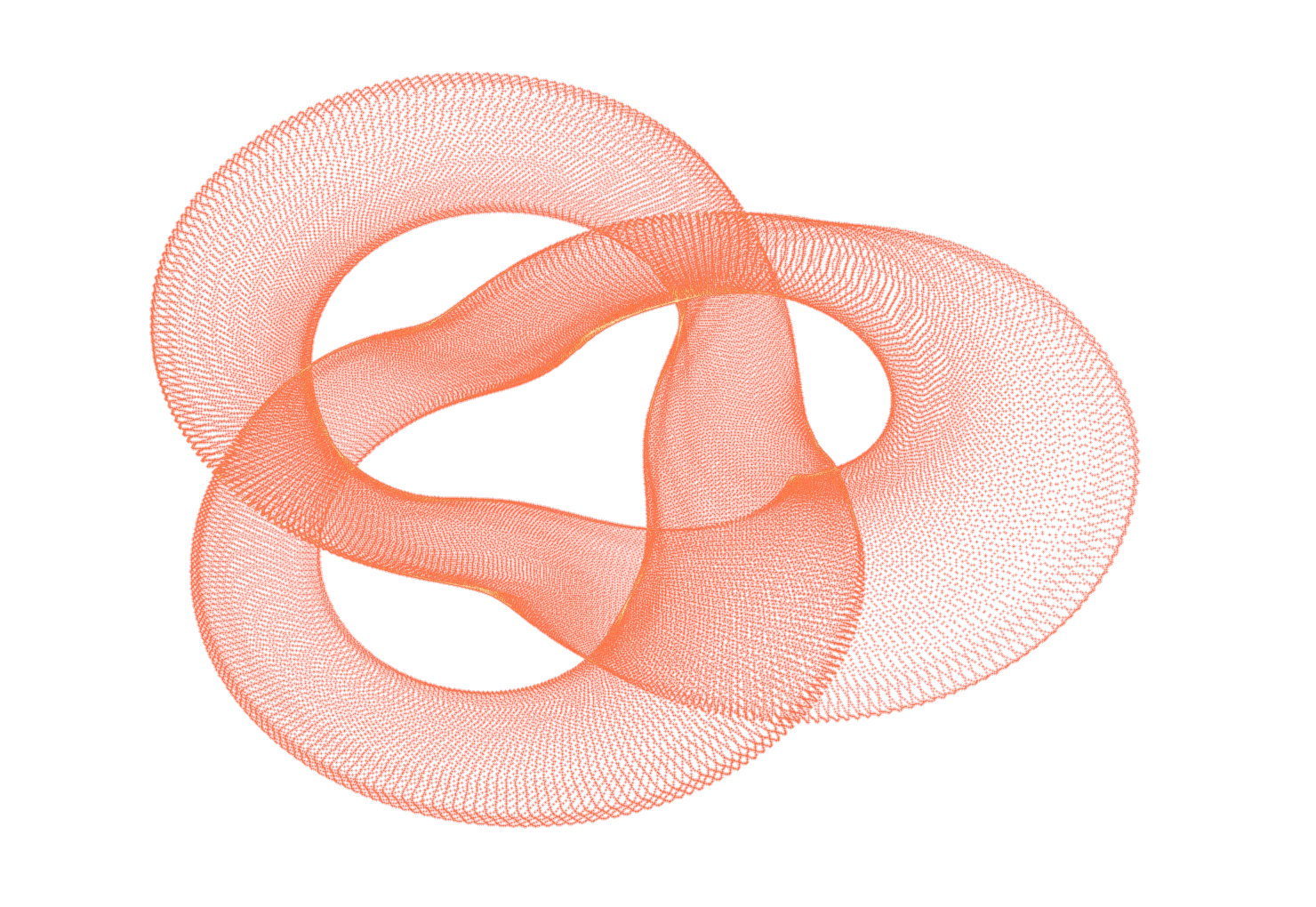

DNA
Pretrained models hold clues to spotting generated images.
A small set of neurons in pretrained vision models responds to signs of forgery. With few examples, those neurons help identify images from previously unseen generators.
NExT-LFM / Research group
Ask the same question a different way. Will the model still get it right?
We study how foundation models store, use and transfer knowledge, and how that knowledge shapes what they do.

FOUNDATION MODELS
We use latent knowledge to describe information learned during training that can be identified in a model’s parameters or activations. Some of it shows up in an answer. Other parts emerge when we rephrase the question or examine an internal signal.
 Representation
How does a model represent what it knows?
DV-Lens maps attention and feed-forward parameters into vocabulary space, then tests which directions influence the output.
Read the study Evaluation
Will a correct answer survive a change in context?
EpiStableBench varies wording, format and language. Across 16 language models, even initially correct answers differed in the stability of the representations supporting them.
Read the study Elicitation
How can we bring an unexpressed capability into use?
HSA uses a shared hub modality to recover relationships in frozen encoders. This enables retrieval between modalities without paired training examples for that target pair.
Read the study Transfer
Can another model use what one model has learned?
Transport and Merge uses a small set of shared inputs to match activations across two architectures. These correspondences guide the transfer of knowledge to the target model.
Read the studyPUBLICATIONS
A small set of neurons in pretrained vision models responds to signs of forgery. With few examples, those neurons help identify images from previously unseen generators.
Across 100,440 image–text pairs in 10 languages, the benchmark separates risks carried mainly by images from those carried mainly by text.

Matching neurons across architectures transfers knowledge to target models for low-resource languages and specialist tasks.

Across 19 cross-modal retrieval relations, average bidirectional Recall@10 rose from 18.27% to 31.15%.
NExT++ / NUS
Fei Shen leads the group at the NExT++ Research Centre, National University of Singapore, working with Prof. Tat-Seng Chua. We study the links between knowledge and behaviour in language, vision and multimodal models.
Research at NExT++OPEN COLLABORATION
Bring a reproduction result or a problem from your own work. Both make good starting points for collaboration.
Run a cross-modal retrieval experiment with HSA’s precomputed features. Share the data, configuration and results in the project’s Issues so others can compare findings.
Test a multilingual assistant, identify generated imagery, or explore moving a specialist capability into a smaller model. A few examples and a success criterion give us a place to start.